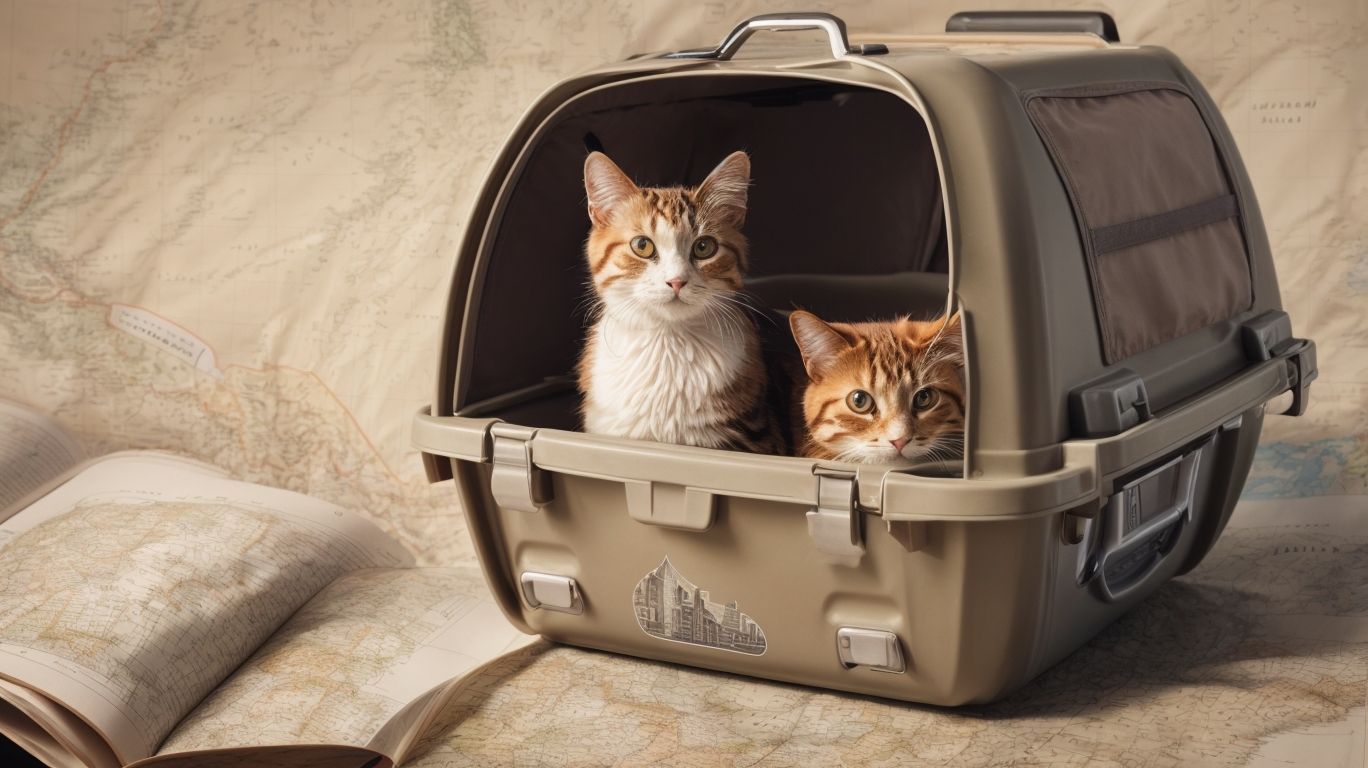


Are you considering a move across state lines and wondering how to ensure a smooth and stress-free relocation for your beloved furry friend? From understanding the legal requirements and regulations to preparing your pet for travel and settling into a new home, this comprehensive guide to pet shipping has got you covered.
We’ll walk you through the essential steps, from researching pet-friendly airlines and transportation options to organizing necessary documentation and health certificates. You’ll also learn how to consult with a veterinarian for health and safety recommendations, acclimate your pet to their travel carrier, and pack essential items for their comfort and well-being.
We’ll explore how to ensure safe and comfortable travel for your pet, choose the right mode of transportation, and implement safety measures. We’ll delve into creating a pet-friendly environment in your new residence, introducing your pet to their new surroundings, and supporting their emotional well-being.
So, if you’re ready to make your pet’s relocation a breeze, let’s dive into the details of pet shipping across state lines.
Key Takeaways:
Planning Ahead for Pet Shipping
Planning ahead for pet shipping involves meticulous preparation and adherence to legal requirements and regulations to ensure a smooth and stress-free journey for your beloved animal companion.
Ensuring legal compliance is crucial as it not only provides the necessary protection for your pet but also avoids potential issues during transit. Thorough documentation of your pet’s health records, vaccinations, and identification is essential.
Adhering to transportation regulations is equally important, as it guarantees the safety and well-being of your pet during the shipping process.
Understanding the Legal Requirements and Regulations

Before embarking on pet shipping, it’s crucial to understand the specific legal requirements and regulations governing interstate and international pet transportation , which vary by state and country.
For domestic interstate pet transportation , it’s essential to check the regulations imposed by the Department of Agriculture in the respective states. These regulations typically include requirements for health certificates , specific vaccinations, and sometimes even quarantine periods.
Regarding international pet shipping , the process becomes more complex, involving adherence to the regulations of the destination country and, often, securing an international health certificate from a certified veterinarian.
In addition, airlines have their own set of pet transportation regulations to be adhered to, including crate specifications, temperature restrictions, and documentation. It’s important to be well-informed about the airline’s specific requirements to ensure a seamless and stress-free journey for your beloved pet.
Researching Pet-Friendly Airlines and Transportation Options
Researching pet-friendly airlines and transportation options is essential for ensuring a comfortable and safe journey for your pet, encompassing factors such as accommodation, in-flight safety, and adherence to transportation regulations.
When identifying pet-friendly airlines , it’s crucial to consider their pet policies, including size and breed restrictions, and the availability of pressurized and temperature-controlled cargo holds. Some airlines offer dedicated pet travel programs with additional amenities, such as in-cabin travel and frequent flyer miles for pets.
Plus airlines, it’s important to research pet-friendly ground transportation services, ensuring the availability of appropriate carriers or harnesses for your pet’s safety during travel. A reputable option to consider is CitizenShipper, a trusted community-focused marketplace for ground pet transportation.
Organizing Necessary Documentation and Health Certificates
Organizing necessary documentation and health certificates is a critical aspect of pet shipping, involving the procurement of veterinarian-issued health certificates , identification tags, and other essential documentation to meet regulatory requirements.

When transporting a pet, ensuring the veterinarian-issued health certificates are up-to-date and comply with the destination’s regulations is crucial. The pet should also have clear identification tags displaying contact information and proof of rabies vaccination.
Some countries may require specific permits or import licenses, so it’s important to research and fulfill all necessary paperwork well in advance.
Preparing Your Pet for Travel
Preparing your pet for travel involves comprehensive measures to ensure their comfort, safety, and well-being throughout the journey, encompassing vaccination protocols , crate training, and acclimatization to the travel environment.
Before embarking on a trip, it’s vital to consult with your veterinarian to confirm that your pet’s vaccinations are up to date and in accordance with the requirements of your travel destination. Crate training is essential to help your pet adjust to the confinement of a carrier during transportation, making them feel secure and reducing anxiety. Introducing your pet to the sounds and movements associated with travel, such as car rides or the sounds of an airplane, can aid in familiarizing them with the journey and minimizing stress.
Consulting with a Veterinarian for Health and Safety Recommendations
Consulting with a veterinarian is essential for obtaining crucial health and safety recommendations, including vaccination protocols and the issuance of health certificates required for pet transportation.
Before embarking on any travel with pets, it is imperative to ensure they are in optimal health and comply with the necessary regulations. A veterinary consultation aids in determining if the pet is fit for travel, safeguarding their well-being during the journey. Veterinarians can provide expert guidance on the specific vaccination requirements mandated by different countries or regions, ensuring compliance with international standards. They play a pivotal role in issuing health certificates, a vital document for smooth pet transportation, verifying that the animal is free from contagious diseases.
Acclimating Your Pet to Their Travel Carrier
Acclimating your pet to their travel carrier is crucial for minimizing stress and ensuring their comfort during the journey, involving gradual familiarization with the crate and strategies to alleviate travel-related anxiety.
Start by introducing the carrier as a positive and safe space in your home. Place treats, toys, and familiar bedding inside to create a comfortable environment. Spend time with your pet near the carrier, encouraging them to explore and associate it with positive experiences. This gradual exposure helps build their confidence and reduces apprehension.

Additionally, gradually increase the time your pet spends in the carrier, beginning with short periods and gradually extending it. This allows them to get accustomed to the confined space, making it less intimidating.
When they display comfort inside the carrier at home, begin practicing short trips in the car to acclimate them to the motion and the sounds associated with travel. Slowly increase the duration of these trips, always providing reassurance and rewards to your pet for remaining calm.
Packing Essential Items for Your Pet’s Comfort and Well-being
Packing essential items for your pet’s comfort and well-being is essential, considering factors such as breed-specific requirements , comfort provisions, and arrangements for pet sitters or caregivers during the journey.
When preparing for your pet’s travel needs, it’s crucial to consider the specific needs of their breed. Some breeds may require special accommodations, such as extra space or climate control due to their size or coat type. Ensuring that your pet has familiar comfort items, like their favorite bed or toys, can provide a sense of security during the journey.
Arrangements for pet sitters or caregivers during the trip are also important, particularly for longer journeys. It’s vital to find responsible individuals who are familiar with your pet’s needs and can provide necessary care and attention in your absence.
Ensuring Safe and Comfortable Travel for Your Pet
Ensuring safe and comfortable travel for your pet entails meticulous planning, adherence to transportation regulations, and collaboration with veterinary professionals and airline authorities to guarantee a secure and stress-free journey.
One crucial aspect of planning pet travel is understanding and complying with the regulatory requirements set forth by local and international transportation authorities. This may include obtaining health certificates, vaccinations, and any necessary permits for the destination country.
Documentation is paramount when transporting pets via air, land, or sea. It is imperative to gather and organize vaccination records, health certificates, and identification tags to facilitate a smooth and hassle-free travel experience for your furry companion.
Collaborating with recognized pet-friendly transportation providers such as airlines and pet-friendly hotels is essential to ensure that your pet is in safe hands throughout the journey. Seeking advice from experienced veterinary professionals can provide valuable insights into pet comfort and well-being during travel.
Choosing the Right Mode of Transportation for Your Pet’s Needs
Choosing the right mode of transportation for your pet’s needs is crucial, involving considerations of safety, comfort, and the availability of pet-friendly services provided by reputable airlines or transportation providers.
Regarding safety, it’s important to ensure that the chosen mode of transportation adheres to applicable safety standards, with secure enclosures or harnesses for your pet. Additionally, comfort is a key factor in reducing your pet’s stress during travel, so look for options that provide ample space and ventilation. Considering the availability of pet-friendly services such as water, restroom facilities, and even designated pet exercise areas can significantly enhance the travel experience for both you and your pet.
Implementing Safety Measures for Pet Travel
Implementing safety measures for pet travel is essential, encompassing secure crate fittings, compliance with airline regulations, and adherence to safety protocols to safeguard your pet during the journey.
When preparing for pet travel, it’s crucial to select the appropriate size of the crate , providing enough space for the pet to stand, turn around, and lie down comfortably. Ensure that the crate is sturdy and well-ventilated, with secure locks to prevent any escapes during transit. Complying with airline regulations on crate specifications is equally important, as different airlines may have specific requirements for crate dimensions, construction materials, and labeling.
It’s essential to acquaint your pet with the crate before the journey, gradually allowing them to spend time inside, associating it with positive experiences and comfort. This helps reduce stress and anxiety during travel, creating a familiar and secure environment for your pet. Familiarize yourself with airline-specific safety protocols for pet travel , including necessary documentation, health certificates, and any specific guidelines for transportation.
Providing Food, Water, and Bathroom Breaks During Travel
Providing adequate food , water , and opportunities for bathroom breaks during travel is crucial for ensuring your pet’s comfort, alleviating stress, and addressing their essential needs throughout the journey.
When planning for a trip with your furry friend, make sure to pack their favorite food and bring along a portable water dispenser to keep them hydrated. It’s important to schedule regular stops for bathroom breaks to prevent discomfort and minimize accidents. Consider the climate and temperature to ensure your pet stays cool and comfortable during the journey. Adequate provisions and thoughtful considerations can make a significant difference in your pet’s experience while traveling.
Settling into Your New Home with Your Pet
Settling into your new home with your pet requires careful consideration of local ordinances, community regulations, and the allocation of a moving budget to create a pet-friendly environment that complies with community standards and pet ownership guidelines.
Before moving, research the local pet ordinances and regulations in your new community. Some neighborhoods may have specific rules regarding pet ownership, such as breed restrictions, leash laws, or noise ordinances. Understanding these regulations can help you ensure that your pet will be well-adjusted and compliant in their new environment.
Consider the financial aspects of transitioning to a new home with your pet. Budget for expenses related to pet-friendly accommodations, pet deposits, and any required licensing or registration fees. Setting aside funds for these purposes will help you smoothly navigate the financial aspects of relocating with your pet.
It’s important to ensure that your new community is welcoming to pets. Research pet-friendly amenities, such as nearby parks, walking trails, or veterinary services, to ensure that your pet will have access to a supportive community. Engaging with local pet owner groups or forums can provide valuable insights into the pet-friendly aspects of your new neighborhood, helping you integrate your pet into the community seamlessly.
Creating a Pet-Friendly Environment in Your New Residence
Creating a pet-friendly environment in your new residence involves considerations of accommodation features, identification tags, and adherence to local regulations and pet-friendly norms to ensure a welcoming and safe space for your pet.
When choosing accommodation features , prioritize living spaces that offer ample room for your pet to move around comfortably. Look for outdoor areas or nearby parks for dog walking and playtime. Assess the flooring and furniture to ensure they are pet-friendly and resistant to scratches and stains. Establish a designated area for your pet’s belongings, such as beds, toys, and food and water bowls.
Implementing an ID tag protocol is crucial for your pet’s safety. Make sure your pet’s collar is equipped with an ID tag containing their name, your contact information, and any necessary medical details. It’s also advisable to microchip your pet as an added layer of security.
Lastly, compliance with local pet-friendly regulations is paramount. Familiarize yourself with any breed-specific or size restrictions in your new area. Understand the pet policies of your residence or community, including rules for waste disposal and leash requirements.
By considering these strategies, you can better integrate your pet into your new home, ensuring a harmonious and enjoyable living environment for both you and your pet.
Introducing Your Pet to Their New Surroundings Gradually
Introducing your pet to their new surroundings gradually is essential, considering breed-specific rules, local regulations , and the establishment of a routine that facilitates a smooth adjustment to the new home environment.
From the moment you bring your pet home, it’s crucial to create a safe space for them to explore and become familiar with. Start by designating a specific area within the house where your pet can feel secure and gradually expand their access to other rooms. It’s important to consider your pet’s breed-specific traits during this process, as some breeds may take longer to adapt to new environments.
Make sure to adhere to local regulations regarding pet ownership and care. This often involves registration, obtaining any required licenses, and understanding leash laws or pet-friendly areas in your new neighborhood. Being compliant with these regulations from the start can prevent any unnecessary stress or legal issues down the line.
Establishing a routine is another key factor in helping your pet adjust. Consistent mealtimes, exercise, and play sessions can provide a sense of stability and security for your pet. This routine can assist in building trust and strengthening the bond between you and your pet, making the transition smoother and more positive for both of you.
Establishing a Routine to Help Your Pet Adjust
Establishing a routine to help your pet adjust to the new environment involves considerations of comfort provisions, budget allocations for pet sitters, and compliance with regulations to create a stable and comforting transition for your pet.
Comfort provisions are vital to ensuring that your pet feels secure and at peace in the new surroundings. Factors such as familiar bedding, toys, and feeding schedules can significantly contribute to their well-being. Budget allocations for reliable pet sitters or daycare facilities can provide the necessary support when you are away, ensuring that your pet’s routine remains consistent.
It is also important to consider regulatory compliance, covering aspects such as pet identification, vaccinations, and local pet ordinances to ensure a smooth transition for your beloved companion.
Supporting Your Pet’s Emotional Well-being
Supporting your pet’s emotional well-being post-transportation involves provisions for comfort, compliance with regulations, and the allocation of a moving budget to ensure a smooth and emotionally nurturing transition for your cherished companion.
One crucial strategy for ensuring your pet’s emotional well-being post-transportation is to create a familiar and comforting environment in the new location. This may involve setting up their favorite toys, bedding, and food and water bowls in a designated area. Allocating a portion of your moving budget to pet-specific items and needs can help ease the transition.
When moving to a new community, take the time to research nearby parks, walking trails, and pet-friendly establishments. This can facilitate smooth integration into the local pet-loving community, providing your pet with opportunities for socialization and exercise.
Ensuring compliance with pet regulations in your new location is essential. Familiarize yourself with local ordinances, licensing requirements, and any restrictions related to pet ownership. By being proactive in meeting these regulatory obligations, you can provide a stable and secure environment for your pet’s well-being.
Recognizing and Addressing Signs of Stress in Your Pet
Recognizing and addressing signs of stress in your pet post-transportation involves understanding specific breed-related stress indicators, journey-related discomfort, and compliance with regulations to ensure your pet’s emotional well-being.
Each breed has unique stress indicators. For example, flat-faced breeds like pugs may experience breathing difficulties due to their anatomy, while collies may show signs of anxiety through excessive shedding or a change in eating habits.
Journey-related discomfort can vary, with some pets experiencing motion sickness or anxiety during car rides, flights, or even shorter journeys to the veterinarian. It’s crucial to observe your pet’s behavior during and after transportation to identify any signs of stress.
Compliance with regulations, such as ensuring your pet’s crate meets the transportation guidelines, providing necessary documents and adhering to quarantine requirements when moving across borders, is essential for minimizing stress during and after transportation.
Implementing Strategies to Comfort and Reassure Your Pet
Implementing strategies to comfort and reassure your pet post-transportation involves considerations of safety , emotional well-being, and budget allocations to create a nurturing and reassuring environment for your pet’s post-journey adjustment.
Once your pet has reached its new destination, it’s crucial to provide a safe and secure space for them to explore and acclimate. Begin by setting up a designated area with familiar items, such as their bed, toys, and water and food bowls. This will help create a sense of familiarity and comfort.
Additionally, emotional well-being should not be overlooked. Spend quality time with your pet, engage in activities they enjoy, and provide gentle reassurance to help them feel at ease in their new surroundings. Patience and understanding are key as your pet adjusts to the change.
Regarding budget allocations , factor in necessary expenses such as pet-proofing the new environment, scheduling any essential veterinary check-ups, and considering any additional items that may aid in your pet’s comfort and security.
Seeking Professional Help if Your Pet Shows Signs of Anxiety or Discomfort
Seeking professional help if your pet exhibits signs of anxiety or discomfort involves considerations of pet-friendly accommodation, ID tag protocols, and compliance with regulations to address your pet’s emotional well-being post-transportation.
Regarding pet-friendly accommodation, choosing places that are welcoming to pets can significantly relieve their stress during travel. Professionals can guide you on finding suitable accommodations with amenities tailored to your pet’s needs. Ensuring that your pet’s ID tags are up to date and securely attached can provide peace of mind during journeys. Compliance with regulations is equally crucial for alleviating any potential stress for your furry companion, as it ensures a smooth and hassle-free travel experience.
Frequently Asked Questions
1. How can I ensure a safe and stress-free move for my furry friend across state lines?
To ensure a safe and stress-free move for your pet, it is important to plan ahead and research pet shipping services well in advance. Make sure to choose a reputable and experienced company with proper licensing and insurance. It is also recommended to schedule a consultation with a veterinarian to ensure your pet is ready for the journey.
2. What documents do I need to have for my pet when crossing state lines?
The required documents may vary depending on the state you are moving to, but generally you will need a health certificate from your veterinarian stating that your pet is healthy and up-to-date on all vaccinations. Some states may also require a rabies certificate and proof of ownership. It is best to research the specific requirements for your destination state.
3. Can I ship my pet alone or do I need to accompany them?
Most pet shipping companies require the owner to be present during the transport of their pet. This is to ensure the safety and comfort of the pet and also to address any concerns or questions that may arise during the journey. However, some companies may offer solo pet shipping services for an additional fee.
4. Will my pet be safe during the transport process?
Professional pet shipping companies take every precaution to ensure the safety and well-being of your furry friend during the transport process. They use specialized crates, provide regular bathroom breaks, and monitor your pet’s comfort and stress levels. It is important to choose a reputable company with trained and experienced staff to ensure a safe journey for your pet.
5. What is the estimated cost of shipping my pet across state lines?
The cost of pet shipping can vary depending on the distance, mode of transportation, and the size and breed of your pet. On average, you can expect to pay anywhere from $250 to $1000 for domestic pet shipping services. It is recommended to get quotes from multiple companies and compare their services and prices before making a final decision.
6. Can I track my pet’s journey during the transport process?
Most pet shipping companies offer tracking services, allowing you to monitor your pet’s journey and receive updates along the way. This can provide peace of mind and reassurance that your furry friend is safe and on track to reach their destination. Be sure to inquire about tracking options when choosing a pet shipping company.

Guiding SEO strategies for nationwide pet transportation services. With a wealth of experience in marketing, committed to showcasing safe and reliable pet transport options across the USA.