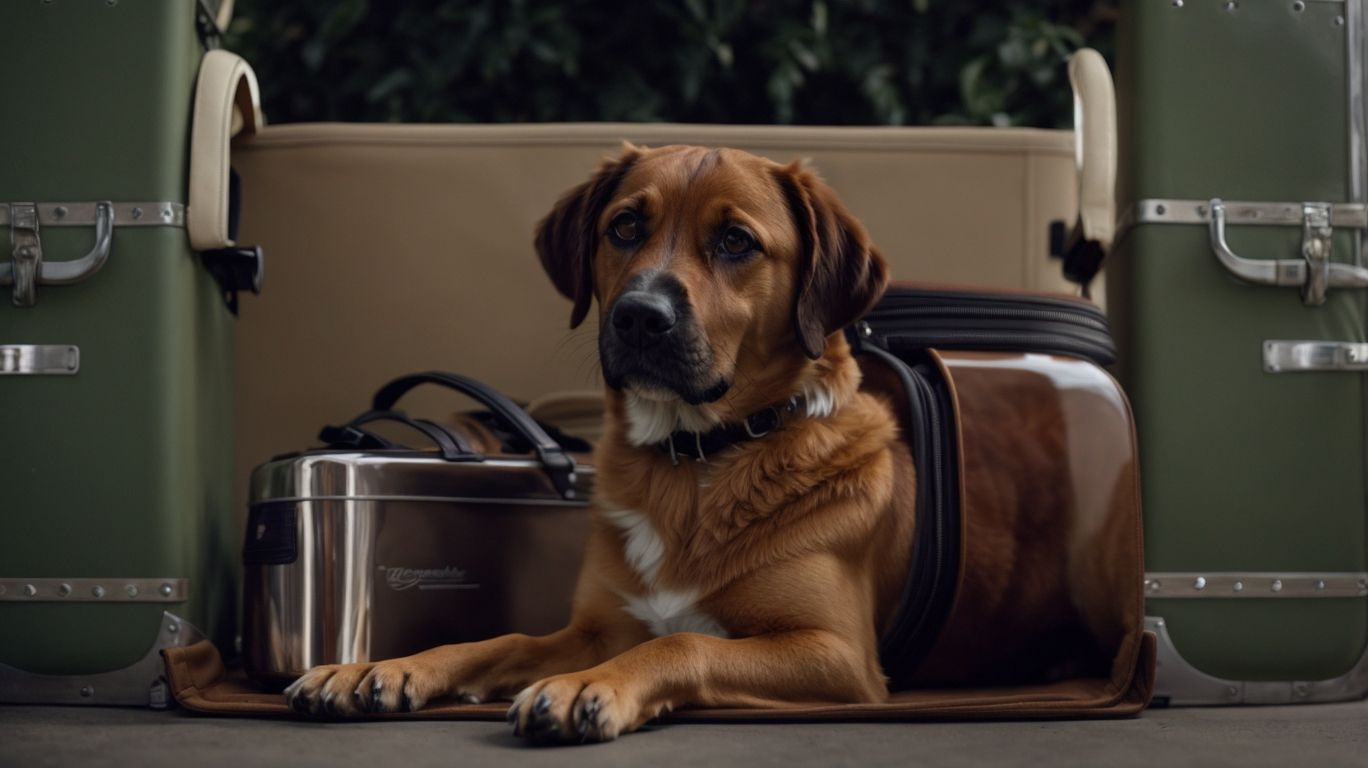


Are you considering sending your furry friend on a plane journey with you? Before you embark on this adventure, it’s essential to understand the key considerations and preparations involved in flying with a dog. From airline policies and regulations to ensuring your dog’s safety and comfort, this comprehensive guide will provide you with the essential information and tips you need for a smooth and stress-free travel experience.
We’ll delve into the specific guidelines for dog travel, the stress levels dogs may experience during flights, and the options available for accommodating your pet during the journey. We’ll cover the day-of travel preparations and highlight the benefits of adequately preparing your dog for air travel. Whether you’re a first-time pet owner or a seasoned traveler, this article will equip you with the knowledge and resources you need to ensure a safe and comfortable journey for your beloved canine companion.
Key Takeaways:
Preparing to Send Your Dog on a Plane
When preparing to send your dog on a plane, it is essential to familiarize yourself with the airline policies, regulations, and overall requirements for pet travel.
Understanding the documentation needed for pet travel is critical. Most airlines require a health certificate issued by a veterinarian within a specific timeframe before the flight. This certificate validates that your pet is in good health and fit to travel. Knowing the specific health considerations for your pet during air travel is vital. Certain breeds or animals with existing health issues may not be suitable candidates for flying.
Different airlines have their own specific guidelines for pet travel. These regulations may include restrictions on the size and breed of animals allowed in the cabin, as well as the availability of temperature-controlled cargo holds for larger pets. Some airlines also have limits on the number of pets allowed on a single flight.
Understanding and adhering to these policies and regulations ensures a smoother and more comfortable journey for your furry companion, while also complying with the animal welfare standards set by the airline industry.
Understanding Airline Policies for Traveling with Animals
An understanding of airline policies for traveling with animals is crucial for ensuring a smooth and compliant pet travel experience.
Overview of Animal Welfare Act

The Animal Welfare Act, enforced by the U.S. Department of Agriculture (USDA), sets forth regulations and standards for the care and transportation of animals, including guidelines relevant to pet travel.
These regulations aim to ensure the safety and well-being of animals during travel, including provisions for adequate ventilation, food, water, and space. For pet travel specifically, the USDA provides guidelines regarding crate size, temperature control, and handling procedures.
Compliance with these regulations is crucial in safeguarding the rights of our furry companions and preventing unnecessary stress or harm during journeys. Pet owners and transporters must stay informed and adhere to these regulations to guarantee a comfortable and secure travel experience for their animals.
Read more: What Do I Need to Become a USDA-Certified Pet Transporter?
Important Airline Policies for Pet Travel
Airline policies for pet travel encompass a range of rules and regulations that pet owners must adhere to when planning their journey with their furry companions.
One significant aspect of these policies is the kennel requirements . Different airlines have varying specifications for the type, size, and construction of pet carriers. For example, some may allow soft-sided carriers, while others only accept hard-sided ones. It is crucial to check with the specific airline regarding the kennel requirements to ensure compliance.
Airlines typically require pet health documentation to ensure the well-being of the animal during travel. This may include health certificates, vaccination records, and even microchipping in some cases. As such, pet owners should be aware of these health conditions in advance and make necessary arrangements.
Moreover, airlines may impose restrictions based on factors such as breed, age, or weather conditions. For instance, certain breeds may not be permitted to travel in the cargo hold due to respiratory issues, and there may be age restrictions for young or elderly pets. Airlines might have seasonal restrictions in place to safeguard pets from extreme temperatures.
Tips for Pet Owners Traveling by Air

Pet owners traveling by air can benefit from essential tips to ensure a smooth and stress-free experience for their furry companions.
When selecting a pet carrier , it’s crucial to choose one that complies with airline regulations. The carrier should be well-ventilated, secure, and spacious enough for the pet to comfortably stand, turn around, and lie down.
Additionally, pre-flight health checks are vital to ensure the pet is fit for air travel. A visit to the veterinarian for a thorough examination can help detect any underlying health issues and provide the necessary vaccinations.
Key Considerations for Flying with a Dog
Flying with a dog involves several key considerations related to the health, comfort, and compliance aspects of pet travel.
Can I Fly with a Dog on a Plane?
Many pet owners wonder, “Can I fly with a dog on a plane?”
Discovering the answer involves understanding the specific requirements and conditions set by airlines and regulatory authorities.
In terms of traveling with dogs on planes, each airline has its own rules and regulations. Generally, for domestic flights, small dogs in appropriate carriers are allowed in the cabin , while larger dogs are usually required to travel in the aircraft’s hold . Similarly, for international flights, regulations may vary widely based on the destination and the airline’s policies. It’s essential to check with the airline beforehand to ensure compliance with their specific regulations.
Health and vaccination records, as well as proper documentation such as a pet passport or health certificate, are typically required by airlines and regulatory bodies .
Assessing the Stress Level for Dogs during Flights

Assessing the stress level for dogs during flights is essential to ensure their well-being and comfort throughout the travel experience.
Several environmental factors contribute to the stress experienced by dogs during flights. The drastic changes in temperature and air pressure inside the aircraft cabin can be disorienting for them, leading to anxiety and discomfort. The confinement in a limited space and separation from their owners can further exacerbate their stress levels. It’s crucial to consider these factors when planning air travel with dogs and take necessary measures to mitigate their impact on the animals’ well-being.
Options for Accommodating Your Dog during the Flight
Exploring the options for accommodating your dog during the flight allows pet owners to make informed decisions regarding the most suitable arrangements for their furry companions.
In terms of flying with your dog, the primary consideration is the pet carrier as it is the most vital tool facilitating safe and comfortable travel for your pet. Airlines typically have specific regulations around pet carriers, including size, material, and design specifications. Some airlines also offer the option to bring your dog into the cabin, subject to certain size and weight restrictions, while others require pets to travel in the cargo hold. Checking with the airline well in advance is essential to ensure compliance with their policies and to make necessary reservations for your dog’s travel.
The timing and duration of the flight should be taken into account when making travel arrangements for your dog. Dogs with certain health conditions or breeds may not be suited for long flights or specific weather conditions. Consulting with a veterinarian before making any travel plans is highly recommended. Ensuring your dog is adequately prepared for the flight, including acclimatizing them to the travel crate and providing them with familiar items such as toys and bedding, can help alleviate any stress or anxiety during the journey.
Once aboard the aircraft, it is essential to ensure that your dog’s in-flight accommodations meet their needs. Whether in the cabin or cargo hold, maintaining a comfortable temperature and providing sufficient ventilation is crucial. Providing food and water for your dog during the flight is vital, taking into consideration the duration of the journey and any potential delays.
Rules and Regulations for Traveling with a Dog
Traveling with a dog involves adherence to specific rules and regulations established by airlines and regulatory bodies to ensure the safety and well-being of the animals during the journey.
Day-of Travel Preparations for Flying with a Dog
Making day-of travel preparations for flying with a dog involves meticulous planning and adherence to airline and airport requirements to facilitate a seamless travel experience for pets and their owners.
Benefits of Preparing Your Dog for Air Travel
Preparing your dog for air travel offers numerous benefits, ensuring a safe, comfortable, and stress-free journey for your beloved pet.
By acclimating your pet to the process of air travel, you can significantly reduce their anxiety, making the overall experience more enjoyable for both you and your furry companion. Proper preparation can also minimize the potential risks associated with flying, such as exposure to extreme temperatures and ensuring their comfort throughout the journey.
Ensuring a Safe and Comfortable Journey for Your Dog
Ensuring a safe and comfortable journey for your dog during air travel involves meticulous preparations, adherence to regulations, and prioritizing the well-being of your furry companion.
Before embarking on a trip with your canine companion, it is imperative to consult with the airline to understand their specific requirements and guidelines for pet travel. This may include obtaining a health certificate from a veterinarian, ensuring that your pet’s carrier complies with airline regulations, and familiarizing yourself with any breed or size restrictions. Preparing your dog for the journey involves acclimating them to the carrier or crate in advance, making frequent stops for bathroom breaks and exercise, and considering their comfort and safety at all times.
Additional Resources and Support for Dog Travel
Accessing additional resources and support for dog travel can significantly enhance the overall journey experience and provide valuable assistance to pet owners.
One important tool for pet owners embarking on a travel journey with their dogs is the International Air Transport Association (IATA) guidelines for pet travel. These guidelines offer clear and comprehensive information on pet travel requirements, including crate specifications and documentation.
Various online platforms and community forums such as BringFido and Rover.com provide pet-friendly travel tips, accommodation listings, and dog-friendly activities at popular travel destinations.
Seeking Further Information on Dog Travel
Seeking further information on dog travel can provide pet owners with valuable insights, guidance, and detailed instructions to ensure a smooth and successful travel experience for their canine companions.
About the Department of Transportation (DOT)
The Department of Transportation (DOT) plays a pivotal role in overseeing and regulating various aspects of travel, including guidelines relevant to pet transportation and air travel regulations.
As part of its regulatory authority, the DOT ensures that airline carriers adhere to pet transportation regulations and guidelines to ensure the safety and well-being of pets during air travel. This includes stipulations regarding carrier requirements, animal health and welfare standards, and procedures for handling pets during flights. The agency also collaborates with other regulatory bodies to establish comprehensive standards that address the specific needs and concerns associated with pet transportation within the broader framework of air travel.
The DOT works closely with airlines to enforce compliance with these regulations, conducting inspections and investigations to uphold the highest standards of animal welfare in transit.
Research and Technological Advancements in Pet Travel
Ongoing research and technological advancements in pet travel are shaping the future of animal transportation, introducing innovative solutions and enhanced safety measures for pet owners and their furry companions .
With a burgeoning interest in pet travel and the growing number of pets accompanying their owners on journeys, airlines and transportation companies are increasingly investing in improving the pet travel experience. Technological innovations such as dedicated pet-friendly aircraft cabins, climate-controlled environments, and advanced monitoring systems are being integrated to ensure optimal comfort and safety for pets during travel. These developments not only alleviate the stress for owners but also help animals feel more at ease throughout the journey.
Policies, Rights, and Legal Considerations for Pet Travel
Policies, rights, and legal considerations for pet travel encompass a diverse spectrum of regulations, entitlements, and obligations that define the landscape of animal transportation and pet welfare during travel.
Pet travel rights are governed by federal and international laws that specifically address the treatment and transportation of animals. These laws aim to safeguard the well-being of pets during air travel, preventing any form of mistreatment or negligence.
Airline policies play a crucial role, outlining the conditions under which pets can be transported, the required documentation, and the facilities provided during the journey. Understanding these policies is essential for pet owners to ensure a safe and comfortable travel experience for their furry companions.
Benefits of Pet Air Travel
Pet air travel provides numerous benefits, including the opportunity for pets to accompany their owners and reduce the stress of separation.
Compliance with Airline Regulations
Compliance with airline regulations is essential to ensure a seamless and stress-free travel experience for pets and their owners.
Frequently Asked Questions
What are the requirements for sending a dog on a plane?
In order to send your dog on a plane, you will need to have the following requirements:
- A health certificate from your veterinarian
- An airline approved pet carrier
- Proper identification tags for your dog
- Proof of vaccinations
Can I send any breed of dog on a plane?
Most airlines have restrictions on certain breeds of dogs, such as brachycephalic (short-nosed) breeds, due to potential health risks. It is best to check with your specific airline before booking a flight for your dog.
How far in advance should I prepare to send my dog on a plane?
It is recommended to start the preparations for sending your dog on a plane at least 1-2 months before your planned travel date. This allows enough time to gather all necessary documents and make any necessary arrangements.
What should I do to help my dog prepare for the flight?
It is important to acclimate your dog to the travel carrier and crate before the flight. You should also make sure your dog is well-exercised before the flight, and avoid feeding them a large meal right before the flight.
Will my dog be able to fly with me in the cabin?
Most airlines allow small dogs to travel in the cabin with their owners, as long as they are able to fit comfortably in an airline approved carrier under the seat in front of you. However, larger dogs will need to be sent as cargo.
How much does it typically cost to send a dog on a plane?
The cost of sending a dog on a plane varies depending on the size of the dog and the airline. On average, it can cost anywhere from $100 to $500 for domestic flights, and up to $1000 for international flights.

Guiding SEO strategies for nationwide pet transportation services. With a wealth of experience in marketing, committed to showcasing safe and reliable pet transport options across the USA.