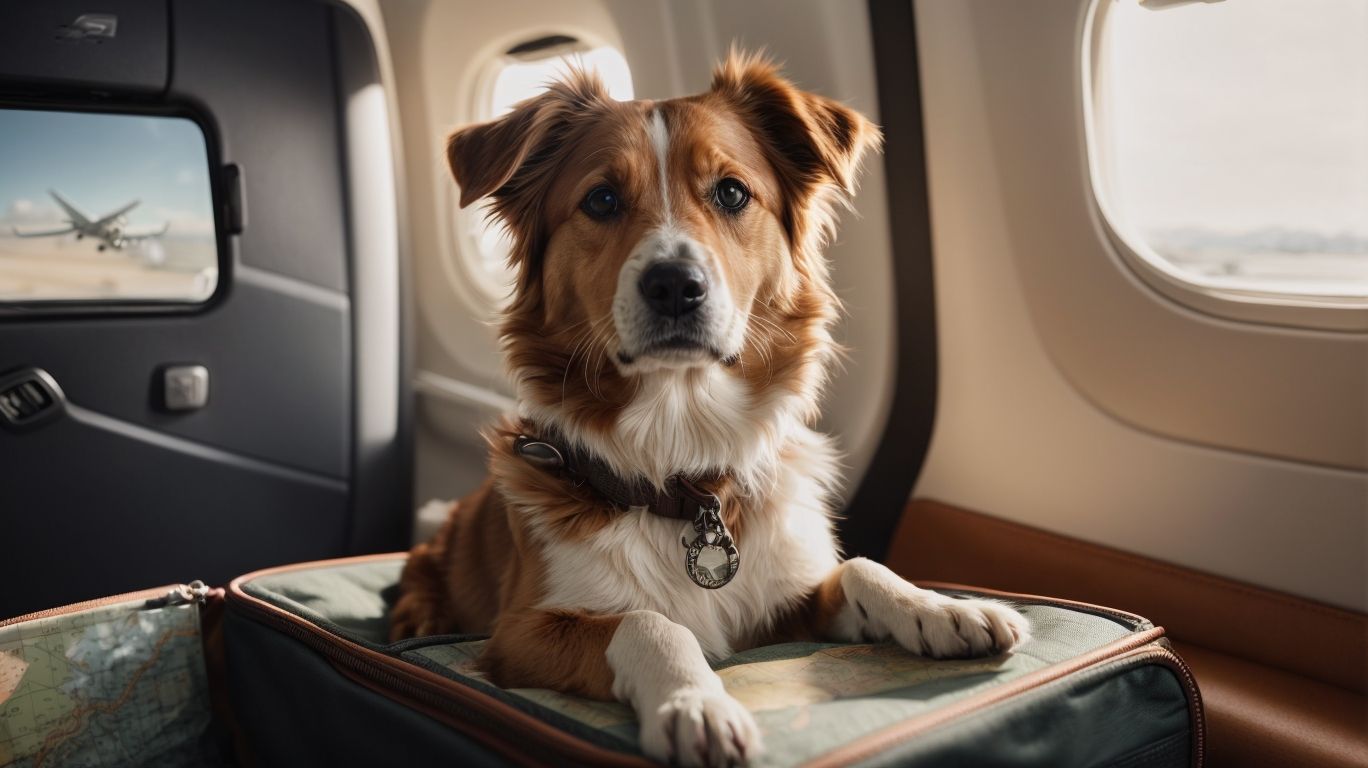


Sending Pets Interstate: A Guide to Stress-Free Travel
Traveling with pets can be a daunting task, especially when it involves crossing state lines. From understanding the necessary health requirements and paperwork to dealing with quarantine regulations and choosing the right travel kennel, there are several essential factors to consider to ensure a smooth and stress-free journey for your beloved furry companion.
In this comprehensive guide, we will delve into the intricacies of interstate pet travel, providing valuable insights and tips on preparing your pet for the journey, addressing frequently asked questions, managing medication and special needs, and estimating the overall cost. Whether you’re relocating to a new state or embarking on a vacation with your pet, this article aims to equip you with the knowledge and resources needed to navigate the complexities of interstate pet travel with confidence and ease. So, let’s get started on this journey together, ensuring the well-being and comfort of your pet every step of the way.
Key Takeaways:
Health Requirements for Interstate Pet Travel
Moving pets across state lines involves adherence to health requirements and regulations specific to each state, necessitating the acquisition of health certificates and rabies vaccination records.
The health certificates serve as documentation of the pet’s overall health and are typically issued by a licensed veterinarian. They confirm that the pet is free from transmissible diseases and is fit for travel.
Additionally, rabies vaccination records are crucial for interstate pet travel, as they demonstrate compliance with state-specific regulations regarding this essential vaccination.
Understanding the Necessary Paperwork
Understanding the necessary paperwork for interstate pet travel encompasses securing appropriate travel kennels, arranging pet-friendly accommodations, and ensuring stress-free transportation options, whether by air or ground shipping.

Documentation plays a critical role in interstate pet travel. Essential documents include a health certificate issued within a specific timeframe, usually within 10 days of travel, proving that the pet is in good health and up-to-date on vaccinations. It’s crucial to check the specific requirements of the destination state as they may have additional documentation needs.
Some states may require that pets are microchipped before entering. Make sure to update the contact information linked to the microchip with your current address and phone number before traveling.
Regarding finding pet-friendly accommodations , planning ahead is key. Research and book hotels that are welcoming to pets, and ensure that they provide suitable facilities and services for your furry companion. This planning will help guarantee a comfortable and safe stay for your pet during the journey.
Dealing with Quarantine Regulations
Dealing with quarantine regulations involves adhering to the guidelines set forth by the USDA and Department of Agriculture , integrating necessary quarantine measures into the interstate moving checklist and pet transport logistics.
When preparing for interstate pet transport, it’s imperative to ensure compliance with USDA regulations. This typically involves obtaining a health certificate from a licensed veterinarian within ten days of the pet’s travel. The certificate should confirm the animal’s good health and vaccination status. Some states may also require specific vaccinations, so it’s crucial to research the destination’s regulations well in advance.
It’s essential to make arrangements for the mandatory quarantine period, if applicable. The duration of quarantine varies depending on the destination, with some locales following a standard timeframe, while others may have specific requirements based on the pet’s origin. This step necessitates meticulous planning and coordination to minimize any disruption to the pet’s well-being and the overall travel schedule.
Preparing for Potential Hiccups During Travel
Preparing for potential hiccups during interstate pet travel involves collaborating with veterinarians, prioritizing pet safety , and aligning with reliable moving companies to ensure a stress-free journey for pets.
Veterinary support is crucial for interstate pet travel. Before the journey, it’s essential to schedule a visit to the veterinarian for a thorough health check-up and to obtain any necessary vaccinations or health certificates. Ensure that your pet’s ID tags and microchips are updated with current contact information.
- Collaborating with reputable moving companies is another vital aspect. Research and select a company with experience in pet transportation, ensuring they provide a comfortable and secure environment for pets during transit.
- Prioritize pet safety by investing in sturdy carriers, familiarizing your pet with the carrier, and packing essential items such as food, water, medications, and favorite toys for comfort.
Choosing the Right Travel Kennel

Choosing the right travel kennel for interstate pet travel involves prioritizing pet safety, aligning with pet transport logistics, ensuring veterinary approval , and integrating microchip identification measures.
When selecting a travel kennel for interstate pet travel, it’s essential to consider the size of the kennel, ensuring that it provides enough space for the pet to stand, turn around, and lie down comfortably. The kennel should be sturdy and secure to prevent any mishaps during transportation. Veterinary endorsement is crucial, as it ensures that your pet is fit for travel and all vaccinations are up to date. Integrating a microchip identification measure plays a key role in reuniting pets with their owners in case of an unexpected separation during the journey.
Tips for Preparing Your Pet for Travel
Preparing your pet for interstate travel involves prioritizing rabies vaccinations , ensuring pet safety, collaborating with veterinarians, and organizing the required documentation for seamless interstate pet travel.
Regarding vaccination protocols, it’s crucial to ensure that your pet’s rabies vaccination is up to date. This often requires a visit to the veterinarian, who can also provide additional preventive care advice. Investing in a secure and comfortable pet carrier or seatbelt harness can help keep your pet safe during the journey.
Collaborating with your veterinarian allows for a comprehensive health check-up and any necessary travel-specific recommendations. Proper documentation, such as health certificates and vaccination records authenticated by a licensed veterinarian, is essential for meeting interstate travel regulations.
Tips for Ensuring Your Pet’s Comfort Post-Travel
Ensuring your pet’s comfort post-travel involves securing pet-friendly accommodations, confirming microchip functionality, and addressing any post-travel concerns listed in the interstate moving checklist with veterinary support.
It’s crucial to look for pet-friendly accommodations to make your pet feel welcome and secure. This means researching hotels, motels, or other lodgings that gladly accept pets and offer suitable amenities. Verifying the functionality of your pet’s microchip is vital to ensuring that even in the event of unexpected situations, your pet can be safely identified and returned if lost.
Consulting a veterinarian post-travel to address any health or behavioral concerns and staying updated with the interstate moving checklist for pet-related tasks will help ensure a smooth transition for your furry friend.
Important Dos and Don’ts of Pet Travel

Understanding the important dos and don’ts of pet travel entails prioritizing pet safety, adhering to interstate pet travel guidelines, collaborating with veterinarians, and ensuring compliance with pet transport logistics and documentation requirements.
Pet safety is paramount when undertaking travel with pets . One should ensure that pet carriers are secure and comfortable, ideally based on the pet’s size and breed, allowing sufficient space for movement. It’s crucial to research and abide by the specific regulations governing interstate pet travel , including vaccinations, health certificates, and any quarantine periods.
Establishing a partnership with a trusted veterinarian is essential, as they can provide valuable advice on health considerations, sedation needs, and portable medical records. Swift, organized adherence to pet transport logistics is crucial, encompassing flight booking, early check-in, and clear labeling of carriers with pet identification and owner details. Accurate documentation , such as health records, travel permits, and identification tags, must be prepared meticulously and readily available. These measures ensure that pet travel remains as safe, stress-free, and seamless as possible.
Estimating the Cost of Interstate Pet Travel
Estimating the cost of interstate pet travel involves factoring in moving expenses, pet transport logistics, veterinary consultations, and documentation requisites to ensure a comprehensive understanding of the financial aspects of pet relocation.
When evaluating moving expenses, considerations include the mode of transportation, accommodation during travel, and any additional fees imposed by specific states.
Pet transport logistics encompass aspects such as selecting a reputable pet transport service, securing appropriate carriers, and ensuring the comfort and safety of the pet during transit.
Veterinary expenditures involve health checks, vaccinations, and obtaining required certificates for travel.
The documentation requisites involve researching and acquiring necessary permits, health certificates, and meeting the specific interstate pet travel requirements.
These factors collectively contribute to the overall cost estimation for interstate pet travel.
Addressing Frequently Asked Questions About Pet Travel
Addressing frequently asked questions about pet travel provides insightful information and guidance for individuals moving to new states with pets, including considerations for service animals and the essential documentation required for interstate pet travel.
One commonly asked question is whether pets require specific vaccinations or health certificates when traveling between states. Interstate pet travel often necessitates these documents, and it’s crucial to confirm the exact requirements for the destination state.
Another important consideration is the transportation method for the pet; whether it’s by car, plane, or other means, pet travel safety measures and regulations vary. Individuals with service animals may have inquiries about their rights and the documentation needed to ensure smooth transit. Understanding these aspects eases the process of relocating with pets.
Managing Medication and Special Needs for Traveling Pets
Managing medication and special needs for traveling pets involves collaboration with veterinarians, ensuring a stress-free environment, and aligning with reputable moving companies to accommodate the special requirements of pets during interstate travel.
It’s crucial to consult your veterinarian prior to the trip to create a comprehensive plan for your pet’s specific needs. Medication management is particularly important, requiring careful organization and scheduling to ensure that your pet remains comfortable during the journey. Discussing potential stressors with your vet, such as changes in routine or environment, allows for proactive strategies to minimize anxiety.
When partnering with a moving company, prioritize those experienced in handling pets’ needs. Companies with established procedures for pet transportation, trained staff, and well-maintained vehicles can significantly contribute to a smooth and safe journey for your furry friend.
Dealing with the Complexity and Stress of Interstate Pet Travel
Dealing with the complexity and stress of interstate pet travel necessitates prioritizing pet-friendly accommodations and stress-free ground shipping options, ensuring a seamless and comfortable journey for pets during relocation.
When embarking on interstate pet travel, pet-friendly lodgings play a vital role in ensuring that the pet feels secure and comfortable throughout the journey. These accommodations should offer designated pet areas, exercise spaces, and amenities that cater specifically to the needs of traveling pets.
Plus lodgings, stress-free ground shipping is essential for minimizing the anxiety and discomfort experienced by pets during travel. Utilizing reputable pet transport services that prioritize the well-being of animals can significantly alleviate the stress associated with long-distance travel.
Taking proactive measures to ensure pets’ comfort, such as providing familiar bedding, toys, and soothing aromatherapy, can contribute to a more relaxed and enjoyable travel experience for pets, promoting their well-being and reducing travel-related stress.
Further Reading on Pet Shipping Methods
Further reading on pet shipping methods provides valuable insights into the options available for interstate pet travel, encompassing air transportation, ground shipping, and the logistics involved in moving pets across state lines.
When considering air transportation for pets, it’s essential to research airlines’ pet policies, crate requirements, and any additional fees. Ground shipping options may include hiring a professional pet transport service or driving the pet yourself.
Understanding the logistics of pet travel involves securing necessary health certificates, identifying pet-friendly accommodations, and planning for rest stops during the journey.
How to Safely Ship a Cat Across State Lines
Safely shipping a cat across state lines requires meticulous attention to pet transport logistics, veterinary oversight , and the necessary documentation to ensure a secure and comfortable journey for feline companions.
When arranging the transportation of your feline friend, it’s crucial to select a reputable pet transport service experienced in handling interstate travel for animals. This includes ensuring the carrier or crate meets the required size and ventilation standards, as well as securing necessary amenities like water and bedding. Collaborating with a veterinarian is essential to ensure your cat’s health and well-being during the journey. Obtaining a health certificate and updating vaccinations as per the destination’s regulations are fundamental steps.
Essential Paperwork for Your Pet’s Interstate Relocation
Securing essential paperwork for your pet’s interstate relocation involves obtaining suitable travel kennels, arranging pet-friendly accommodations, and exploring stress-free transportation options, encompassing both air transportation and ground shipping, while addressing the pertinent pet transport logistics.
When relocating your pet to another state, it’s crucial to ensure that all the necessary paperwork is in order to facilitate a smooth transition. This includes obtaining a health certificate from your veterinarian, which is typically required by airlines for air travel.
Familiarize yourself with the specific regulations and requirements of the destination state, such as any mandatory vaccinations or documentation needed for entry.
Frequently Asked Questions
What is the best way to ensure my pet’s safety when sending them interstate?
The best way to ensure your pet’s safety when sending them interstate is to plan ahead and choose a reputable pet transportation company. Make sure the company has experience with interstate travel and takes proper precautions to keep your pet safe and comfortable during the journey.
Do I need to obtain any special documentation when sending my pet interstate?
Yes, you will need to obtain a certificate of veterinary inspection and a health certificate from your veterinarian. These documents will ensure that your pet is up to date on all necessary vaccinations and is healthy enough to travel.
Can I travel with my pet when sending them interstate?
Yes, many pet transportation companies offer the option for owners to travel with their pets. However, keep in mind that there may be additional fees and requirements for owners to travel with their pets.
How can I prepare my pet for the journey when sending them interstate?
To prepare your pet for the journey, make sure they are up to date on all necessary vaccinations, have a comfortable and secure carrier, and are familiar with being in a carrier for extended periods of time. It’s also important to pack familiar items such as their favorite toys or blankets to help reduce stress during the journey.
What should I do if my pet gets anxious or stressed during the journey?
If your pet gets anxious or stressed during the journey, it’s important to stay calm and reassure them. You can also try playing soothing music or using calming sprays or treats to help relax them. If your pet’s anxiety persists, consult with your veterinarian for additional advice.
Are there any restrictions for sending certain types of pets interstate?
Yes, some states have restrictions on certain types of pets, such as exotic animals or breeds considered dangerous. It’s important to research and comply with any state regulations before sending your pet interstate.

Guiding SEO strategies for nationwide pet transportation services. With a wealth of experience in marketing, committed to showcasing safe and reliable pet transport options across the USA.