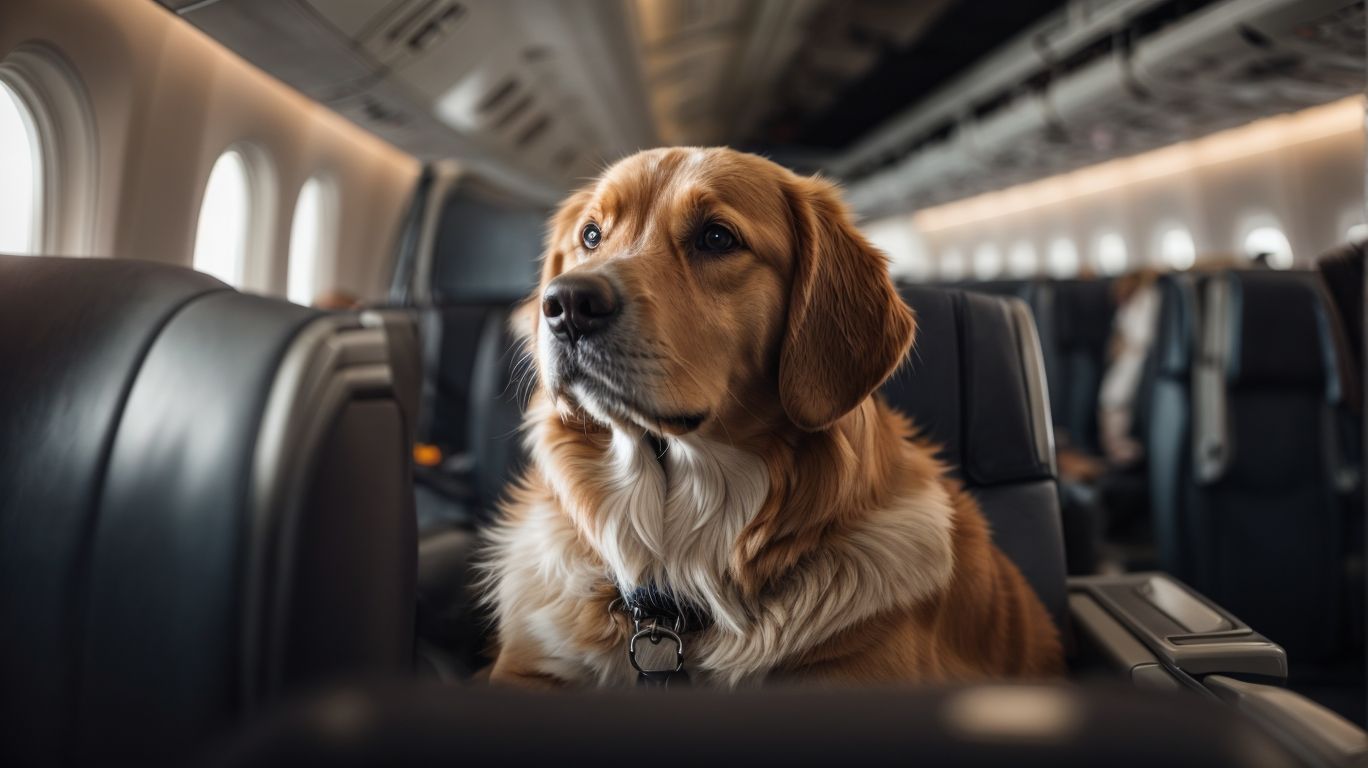


Traveling with your furry companion can be an exciting adventure, but it also comes with its own set of challenges and considerations. In this comprehensive guide, we will delve into the flight experience for dogs, providing you with all the information you need to understand the process of flying with your canine friend.
From the rules and regulations for flying with a dog to the various options available for in-cabin and cargo travel, we will cover everything you need to know. Whether you have a small or large dog, are concerned about the stress of flying, or are exploring the costs and safety aspects, this article will be your go-to resource.
We will discuss important topics such as emotional support animals on planes, tips for traveling with a dog, and where to find airline pet policies. Whether you’re a seasoned traveler or embarking on your first journey with your dog, this article will equip you with the knowledge and insights to ensure a smooth and enjoyable flight experience for both you and your beloved pet.
For more details on pet travel, especially if you are considering different transportation options, visit CitizenShipper’s Pet Transportation services to explore how you can travel with your pet stress-free.
Key Takeaways:
Regarding the flight experience for dogs, it’s essential to understand the entire process, including airline policies, cargo hold accommodation, and pet health requirements.
Many airlines have specific policies regarding the transportation of pets. It’s important to check with the airline for their regulations on pet travel, as some may allow small dogs to travel in the cabin while larger breeds may need to be transported in the cargo hold.
Pet health requirements such as vaccinations, health certificates, and microchipping are typically enforced by airlines and must be fulfilled before the flight. The conditions in the cargo hold should be considered, ensuring it is temperature-controlled and adequately pressurized to ensure a safe and comfortable journey for the furry passengers.
Can I fly with a dog on a plane?

Many pet owners wonder whether it’s possible to bring their dogs on a plane and the associated protocols and regulations that come with it.
Flying with a dog can be a manageable process, but it’s essential to be well-informed about airline pet policies and travel requirements in advance. Each airline has its own set of rules regarding pet travel, so it’s crucial to check their specific guidelines before booking your ticket.
Generally, pet owners need to ensure that their dogs have the necessary health certifications, identification tags, and a suitable pet carrier. Airport procedures for traveling with dogs may involve providing documentation, passing through security screening, and adhering to pet check-in and boarding instructions. Being prepared and patient will contribute to a smoother and safer travel experience for both the pet and its owner.
How stressful is flying for dogs?
The stress level experienced by dogs during flights is a primary concern for pet owners, especially when considering the conditions in the cargo hold and the use of pet carriers.
Conditions in the cargo hold can be a significant stress factor for dogs. The noise, temperature changes, and unfamiliar surroundings can be overwhelming for them. The lack of human interaction during the flight can lead to anxiety and discomfort. Pet carriers play a crucial role in this scenario. If not properly sized or ventilated, they can exacerbate the stress levels for dogs. Restrictions on movement within the carrier can also cause physical discomfort and psychological distress. It’s essential for pet owners to consider these factors and take necessary measures to ensure the well-being of their four-legged companions during air travel.
Can I buy my dog a seat on a plane?
Pet owners often inquire about the possibility of purchasing a separate seat for their dogs on a plane to ensure their comfort and safety during the flight.
Several airlines have varying policies regarding pet travel. While some allow small pets to travel in the cabin as carry-on items, others may only permit pets in the cargo hold. Regarding purchasing a separate seat for your furry companion , it’s essential to check the specific regulations of the airline you plan to travel with.
There are certain travel requirements and documentation necessary for flying with pets, including health certificates and vaccination records. Should an airline accommodate canine passengers in the cabin, they may have restrictions regarding the size and weight of the pet carrier that can fit under the seat.
What are the rules for flying with a dog?

Understanding the rules and regulations for flying with a dog is crucial for pet owners to ensure compliance with airline policies and travel standards.
Many airlines outline specific pet policies that pet owners must adhere to when traveling with their furry companions. These policies may include restrictions on the breed, size, and weight of the dog, as well as the type of carrier or crate required for transport. It is essential to check each airline’s regulations before booking a flight, as failure to comply can result in denied boarding or additional fees.
Most airlines require travel requirements for pets, such as health certifications, vaccination records, and identification tags. These documents are necessary to ensure the safety and well-being of the animal during the flight. Pet owners should consult with their veterinarian to ensure that their dog meets all the necessary travel requirements and has the appropriate health certifications.
It is advisable for pet owners to make advance arrangements with the airline, as there are often limits on the number of pets allowed on a flight. By following the rules and regulations set forth by the airline, pet owners can ensure a smooth and stress-free travel experience for themselves and their furry friends.
Flying with a large dog vs. small dog
The distinction between flying with a large dog and a small dog encompasses specific considerations regarding size , weight , and accommodation during the flight.
When flying with a large dog, the size and weight of the dog become crucial factors. Most airlines have regulations regarding the maximum dimensions and weight of a pet carrier for in-cabin travel, which can impact the feasibility of bringing a larger breed onboard. For small dogs, these restrictions are usually more lenient, as they can easily fit into a standard carrier that meets the airline’s requirements.
The accommodation during the flight varies for large and small dogs. Larger breeds often travel as cargo due to their size, requiring separate arrangements and specific procedures. Small dogs, on the other hand, may have the option to travel in-cabin with their owners, providing a more intimate and less stressful experience.
Flying with a dog in cabin vs. cargo
Choosing between flying with a dog in the cabin or as cargo involves evaluating the respective policies, accommodations, and travel conditions for the pet’s comfort and safety.

When opting to fly with your dog in the cabin, it offers proximity to you, alleviating potential stress for the pet. It is crucial to inquire about the airline’s guidelines for in-cabin pet travel , as there are limited spaces and weight restrictions.
Conversely, flying as cargo may entail separate procedures, dedicated facilities, and regulations. Cargo travel might suit larger breeds more comfortably, considering space and ventilation. Thorough consideration of the airline’s policies and your dog’s specific needs is crucial for a safe and comfortable journey.
In-cabin
When opting for in-cabin pet travel , pet owners must adhere to specific airline policies, health certificate requirements, and pet carrier specifications to ensure a smooth and comfortable journey for their dogs.
Each airline has its own policy regarding in-cabin pet travel, so it’s crucial for pet owners to thoroughly research and understand the guidelines before booking a flight. Some airlines have restrictions on the size and breed of dogs allowed in the cabin, as well as the number of pets permitted on each flight.
Before travel, it’s essential for pet owners to obtain a health certificate from a licensed veterinarian, typically issued within a specific timeframe before the departure date. This certificate verifies that the dog is in good health, free from contagious diseases, and is fit for travel.
The pet carrier used for in-cabin travel must meet the airline’s specifications, which often include size dimensions, ventilation, and secure closures. It’s vital to select a carrier that provides ample space for the dog to stand, turn around, and lie down comfortably.
As cargo
When considering pet travel as cargo, pet owners need to navigate specific airline policies, travel requirements, and cargo accommodations to ensure a secure and stress-free experience for their dogs.
Ensuring that the chosen airline is equipped to handle pet travel as cargo is paramount. Airlines may have varying constraints such as breed restrictions, temperature limits, and health documentation requirements. It’s essential to meticulously review these policies and communicate openly with airline representatives to guarantee a smooth journey for the animal .
Moreover, pet owners should prepare their dogs for cargo travel by acclimating them to their travel crates, providing familiar items, and ensuring they have ample food and water. Consulting a veterinarian to ensure the pet is fit for travel is imperative to their overall well-being.
How much does it cost to fly with a dog?
Understanding the cost of flying with a dog involves considering various factors such as airline fees , pet policies, and travel expenses to make an informed decision for pet travel.
Regarding airline fees, the costs can vary significantly based on the individual carrier and the specific requirements for transporting pets. Some airlines charge a flat fee for pets traveling in the cabin, while others charge based on the pet’s weight and crate size. Additionally, pet policies differ among airlines, with some having restrictions on breeds, sizes, and seasonal embargoes, which can impact the overall travel cost. It’s essential to carefully review and compare the pet policies of different airlines to understand the total expenses.
Aside from airline fees, it’s crucial to factor in travel expenses, including the cost of an approved pet carrier, necessary health certificates, and potential additional accommodations at the destination. Transportation to and from the airport, as well as any required pet-specific gear, should also be considered. Being comprehensive in assessing all these cost considerations aids in planning and budgeting for a seamless and comfortable trip with a furry companion.
Weight limit for dogs on planes
The weight limit for dogs on planes varies between airlines and requires pet owners to adhere to specific regulations and policies to ensure compliance and safe travel with their dogs.
When traveling with pet dogs , it’s essential to consider the regulations set by each airline.
Some airlines have a weight limit for dogs in the cabin, typically ranging from 15 to 20 pounds, while others have restrictions based on the size of the pet carrier. For larger dogs, airlines may require them to travel in the cargo hold, where weight limits are carefully enforced to maintain the safety and comfort of all animals on board.
These weight limits may also depend on the type of aircraft and the specific regulations imposed by the airline. Pet owners should carefully check the airline’s pet policy to ensure that they meet the weight requirements for their dogs’ safe travel.
Is it safe for dogs to fly?
Evaluating the safety of dogs during air travel involves considering factors such as kennel conditions, cargo hold accommodations, and adherence to pet policies to ensure a secure and comfortable journey for the pets.
Kennel conditions play a vital role in the safety and comfort of dogs during air travel. It is crucial to ensure that the kennel is spacious enough for the dog to stand, turn around, and lie down comfortably. The material of the kennel should be sturdy and well-ventilated, with secure locks to prevent any accidental opening during the flight.
In addition, cargo hold accommodations should provide a controlled environment with proper temperature and adequate airflow to ensure the well-being of the dogs. Airlines must adhere to pet policies, including requirements for health certificates, vaccinations, and specific kennel dimensions, to mitigate risks and guarantee a stress-free experience for the furry passengers.
Consider the kennel
When evaluating the safety of dogs during air travel, the quality and suitability of the kennel become paramount considerations for providing a comfortable and secure environment for the pets.
A high-quality kennel ensures that the dog has enough room to stand, turn around, and lie down comfortably. It should also be well-ventilated and durable to withstand the rigors of air travel. The kennel should meet the International Air Transport Association (IATA) regulations to guarantee its suitability for air transport. This includes features such as secure locking mechanisms and escape-proof construction. These factors are crucial in ensuring that the dog remains safe and secure throughout the journey.
Challenges of international flights
International flights present unique challenges for dogs, including cargo hold regulations , pet policies, and health certificate requirements , necessitating thorough preparation and understanding for pet travel.
One of the primary challenges for dog owners looking to take their pets on international flights is the strict cargo hold regulations imposed by airlines. Many airlines have specific guidelines regarding the transport of pets in the cargo hold, including restrictions on certain breeds or sizes of dogs and limitations on the number of animals allowed on a flight.
Along with the cargo hold regulations, pet owners must also navigate through varying pet policies set by different countries and airlines. This may involve obtaining documentation proving that the dog is in good health, up-to-date on vaccinations, and compliant with any specific breed regulations in the destination country.
Furthermore, health certificate requirements are a vital aspect of international travel for dogs. These certificates often require the endorsement of a licensed veterinarian, confirming the dog’s fitness to fly and compliance with all necessary health standards. Failure to meet these requirements can lead to complications and even refusal of entry into certain countries.
Emotional support animals on planes
The presence and regulations surrounding emotional support animals on planes have sparked discussions and considerations in the context of airline policies and travel norms.
Emotional support animals provide invaluable comfort and assistance to individuals with mental health challenges, often making air travel more manageable for them. Airline policies regarding these animals vary, and it’s crucial for passengers to thoroughly research and adhere to the specific guidelines of the airline they plan to fly with.
Some airlines require advanced notification and documentation, including a letter from a mental health professional, while others may have limitations on the types of animals allowed on board.
Passengers should also consider relevant travel regulations and restrictions, especially when traveling internationally with an emotional support animal. This may involve obtaining the necessary paperwork and permits, complying with quarantine guidelines, and being aware of any specific entry requirements of the destination country.
Tips for traveling with a dog
Traveling with a dog requires specific tips and considerations to ensure a smooth and comfortable journey for both the pet and the pet owner, encompassing airline policies, travel requirements, and pet accommodations.
When planning a trip with your furry companion, it’s crucial to familiarize yourself with the airline policies relating to pet travel. Some airlines allow small dogs to travel in the cabin with their owners, while others require pets to travel in the cargo hold. Understanding these regulations can help you select the most suitable airline for your pet.
Be sure to research the travel requirements for bringing a dog to your destination. Certain countries or states may have specific entry requirements, such as vaccinations or health certificates, that need to be completed before you depart. It’s essential to comply with these regulations to avoid any complications during your travels.
Where to find an airline pet policy
Locating an airline’s pet policy is essential for pet owners planning to travel with their dogs, requiring access to comprehensive information regarding flight requirements and pet accommodations.
When searching for an airline’s pet policy, it’s crucial to consider the specific requirements for traveling with pets. These include regulations for pet carriers, breed restrictions, and any necessary health documentation. Each airline has its own set of guidelines, so it’s important to thoroughly review them before making any travel arrangements.
Along with flight requirements, pet accommodations should also be carefully examined. Some airlines offer in-cabin options for small dogs, while others may require pets to travel in the cargo hold. Understanding the accommodations available for pets will help ensure a comfortable and safe journey for them.
Adherence to relevant regulations is imperative. Pet owners must comply with all airline and governmental requirements, including vaccination records, health certificates, and pet identification tags. Failure to adhere to these regulations could result in denied boarding or additional expenses.
A Beginner’s Guide to Traveling on Points and Miles
Embarking on a journey through the world of points and miles presents a myriad of opportunities for travelers to maximize their experiences while optimizing their resources.
Traveling with points and miles offers a tantalizing prospect of indulging in luxury accommodations, premium flights, and exclusive experiences without breaking the bank. By strategically leveraging rewards programs and airline miles , travelers can elevate their journey and explore destinations that may have seemed out of reach. The key lies in understanding the intricate world of loyalty programs , credit card perks, and savvy redemption strategies. With a careful blend of earning and redeeming, even the most budget-conscious travelers can unlock a world of extraordinary adventures.
Best Travel Credit Cards
Selecting the best travel credit cards can significantly elevate the travel experiences of individuals, providing access to exclusive benefits, rewards, and tailored perks for frequent travelers.
These cards often offer generous sign-up bonuses, rewards for spending on travel-related purchases, airport lounge access, and even reimbursement for Global Entry or TSA PreCheck application fees. Some cards also come with travel insurance coverage, concierge services, and no foreign transaction fees, making them essential companions for individuals who journey frequently.
The annual fee structure and reward redemption options vary between cards, allowing users to select the one that best aligns with their spending habits and travel preferences.
The Best Travel Credit Card Welcome Bonus Offers Right Now
Exploring the current landscape of welcome bonus offers for travel credit cards reveals enticing opportunities for individuals to kickstart their travel rewards journey with valuable introductory benefits and perks.
One popular travel credit card currently offering an attractive welcome bonus is the MileagePlus Explorer Card. New cardholders can earn up to 60,000 bonus miles after meeting the spending requirement within the first three months, along with other travel perks such as priority boarding and lounge access.
The Sapphire Preferred card from Chase provides a generous welcome bonus of 100,000 points after spending a certain amount in the initial months, which can be redeemed for travel rewards or transferred to various airline and hotel partners, making it a compelling choice for frequent travelers.
More resources on how to travel with a dog
Discovering additional resources and information on how to travel with a dog expands pet owners’ knowledge base, fostering informed decisions and comprehensive preparations for pet travel.
Whether it’s planning a road trip, flying, or finding pet-friendly accommodations, having access to a wealth of knowledge aids in ensuring a smooth and enjoyable experience for both the pet and the owner.
Online forums such as Reddit’s dog travel community can provide firsthand experiences and tips from other pet owners, offering valuable insights and practical advice.
Websites like BringFido and GoPetFriendly offer comprehensive guides to pet-friendly destinations, accommodations, and activities, simplifying the planning process for pet owners.
Frequently Asked Questions
What is the flight experience like for dogs?
The flight experience for dogs can vary depending on the airline and destination, but it typically involves being transported in a crate in the cargo hold of the plane.
How do I ensure my dog has a comfortable flight experience?
To ensure your dog has a comfortable flight experience, make sure to choose an airline that has experience with transporting pets and follow their guidelines for crate size and pet preparation.
Do all airlines allow dogs to fly?
No, not all airlines allow dogs to fly. It is important to check with the airline beforehand to see if they have any specific restrictions or requirements for flying with pets.
Can I sit next to my dog during the flight?
No, dogs are not allowed to sit in the main cabin during the flight. They must be transported in the cargo hold for safety reasons.
What happens if my dog gets anxious during the flight?
If your dog gets anxious during the flight, the airline staff will do their best to comfort and care for your pet. It is also a good idea to provide your dog with a familiar item, such as a favorite toy or blanket, to help them feel more at ease.
Are there any special requirements for international flights?
Yes, there may be additional requirements for dogs flying internationally, such as specific vaccinations or health certificates. It is important to research and comply with all necessary regulations before traveling.

Guiding SEO strategies for nationwide pet transportation services. With a wealth of experience in marketing, committed to showcasing safe and reliable pet transport options across the USA.